Grand Bazaar Istanbul: Hours, What to Buy and How to Bargain
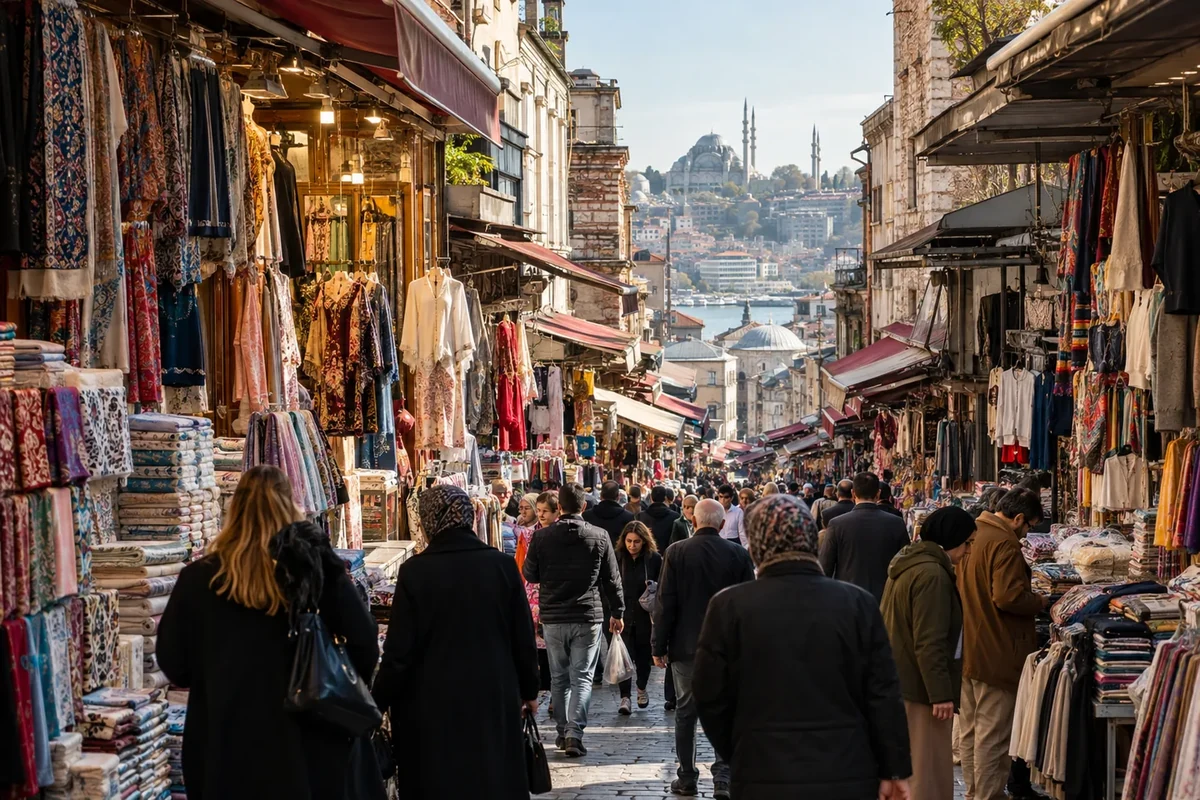
For a first visit to the Grand Bazaar in Istanbul, choose one thing you want to browse and leave time to look around. The covered streets are worth exploring even if you buy nothing. Compare materials and workmanship before prices, keep the conversation relaxed, and decide whether to continue towards Mahmutpaşa or the Spice Bazaar afterwards. A small shopping plan helps you enjoy the place without turning every shop window into a decision.
Grand Bazaar at a glance
- Where
- Kapalıçarşı, the historic covered shopping complex in Beyazıt, Fatih, Istanbul.
- Published hours
- 08:30–19:00, except Sundays and religious holidays, in the Ministry of Culture and Tourism’s reference listing, updated in June 2024. Individual shops may differ; check current management notices.
- Sunday
- The covered complex is normally closed. Nearby street shops and other bazaars have separate schedules.
- Admission
- No general browsing ticket. Purchases and separately booked guided services cost extra.
- Arrival
- T1 tram: consider Beyazıt–Kapalıçarşı or Çemberlitaş, then choose your entrance.
- Time to allow
- We suggest about one to two hours for a first browse, with more time for comparing a purchase.
Go for the covered market setting and the chance to compare products. If your main aim is spices or food gifts, the Spice Bazaar in Eminönü may suit you better. You can also enjoy the architecture and leave without a shopping bag.
Opening hours, Sundays and when to go
The published schedule and holiday checks
Türkiye’s Ministry of Culture and Tourism lists 08:30–19:00, excluding Sundays and religious holidays. Its listing was updated in June 2024; we checked the published information on 6 October 2026. Use that as a planning reference, with room for individual shops opening later or closing earlier.
An open gate does not mean every business inside is trading. If you are making a special journey, coming near closing time or visiting around a religious holiday, check bazaar management notices before setting off. The covered Grand Bazaar’s Sunday closure should not be applied to the Spice Bazaar or the surrounding street shops.
A short browse or a shopping visit?
We’d leave about one to two hours for a first browse. That is a suggested allowance rather than a timed route: you might stay longer if you want to compare rugs, ask detailed questions or stop for a break. For a relaxed visit, choose a time when you can wander without needing to hurry to your next appointment. We would avoid making a considered purchase just before closing.
Keep one category in mind and let the rest be part of the walk. If your schedule is short, looking around without buying is a worthwhile visit in itself.
How to get to the Grand Bazaar and choose an entrance
Arriving by T1 tram
The T1 line serves Beyazıt–Kapalıçarşı and Çemberlitaş, two useful stops for the Grand Bazaar. Sultanahmet is on the same line, so the tram is an option when you are coming from the Blue Mosque or Hagia Sophia area. Choose your stop around the side of the bazaar you want to reach.
For the network and connections, use our Istanbul metro and tram guide. Our How to use Istanbulkart guide covers the travel card. Check current service information before travelling; the bazaar’s hours do not tell you whether a tram disruption affects your journey.
Choose Beyazıt or Nuruosmaniye for your next stop
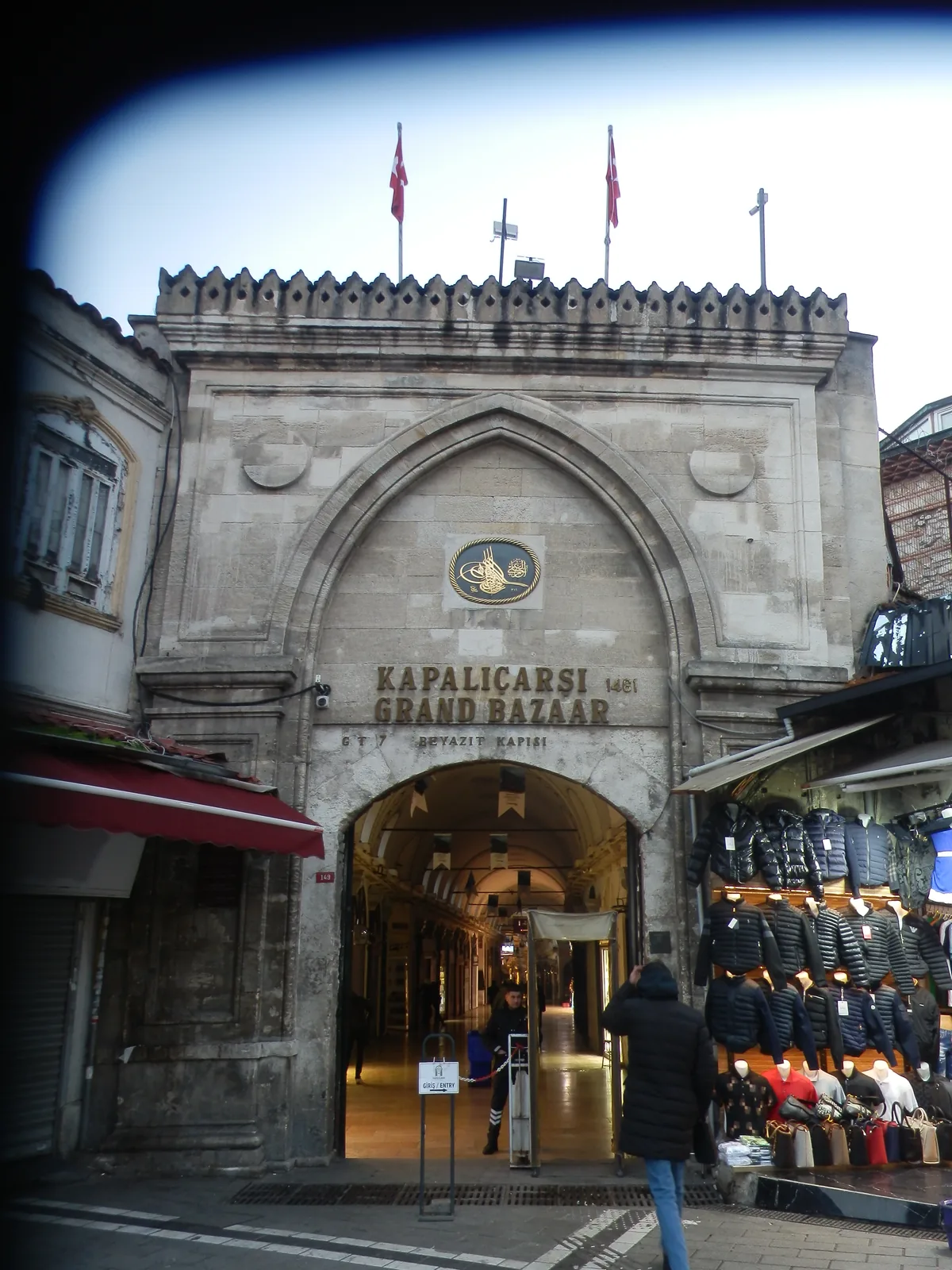
Beyazıt and Nuruosmaniye are useful entrance names to recognise. Pick one deliberately and remember its name if you intend to return the same way. From Sultanahmet, the historic-peninsula streets offer another approach, but leave walking time around your own pace and any stops you make.
Find the Beyazıt entrance or find the Nuruosmaniye entrance. Check the destination name and signs when you arrive. The management office in Çukur Han is a separate destination; it is not an entrance shortcut.
What to buy at the Grand Bazaar
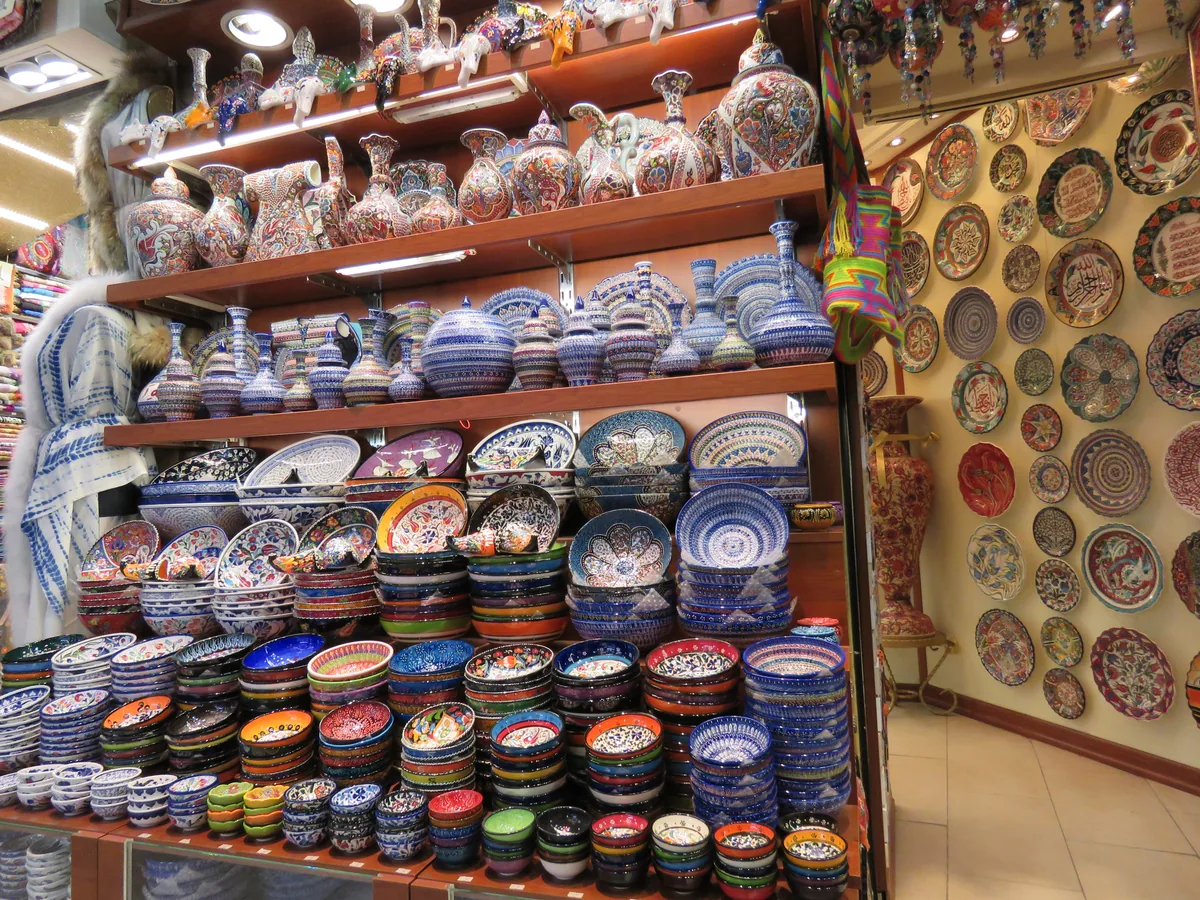
The Grand Bazaar’s shops include textiles, rugs, ceramics, leather goods and jewellery. The useful question is what you can compare thoughtfully and take home comfortably. Start with something you want to use, wear or give, then look at the material and finish before negotiating the price.
| Category | Why consider it | What to ask or inspect |
|---|---|---|
| Textiles, towels and scarves | Smaller purchases that can be easier to pack | Fibre content, dimensions, care instructions, seams and finishing |
| Rugs and kilims | A considered purchase where comparison deserves time | Material, weaving method, origin, exact size, written total and delivery terms |
| Ceramics and decorative pieces | A choice of finishes and sizes for your home or a gift | Decoration, intended use, protective packing and what happens if delivery arrives damaged |
| Leather goods | A chance to compare the construction of the actual item | Material, stitching, lining, fit, fastenings and a written receipt |
| Jewellery | An item whose specifications matter more than a quick discount | Material and fineness description, weight where relevant, workmanship charge and receipt |
Textiles, rugs and kilims
A towel or scarf can be a manageable first purchase. Feel the fabric, look at the edges and ask how it should be washed. Colour and softness are useful preferences, but they do not prove fibre content or origin. If the seller describes an item as Turkish cotton, silk or handmade, ask what supports that description.
Give a rug or kilim a slower decision. Have your room measurements ready and check the exact dimensions of the piece you are considering. Ask whether it is handwoven or machine-made and what the fibres are. If shipping is involved, get the full price and delivery arrangements in writing before paying. A story about age or origin needs its own support; the bazaar setting does not certify it.
Ceramics, leather goods and jewellery
With ceramics, think about the journey home. A piece you can protect in your luggage may be a better choice than one that needs complicated delivery. Ask whether it is decorative or intended for food use, and agree on packing before you buy. Appearance alone does not establish that it is handmade or food-safe.
For a bag or jacket, inspect the lining, stitching and fastening as well as the outside. Try the actual item where possible. A logo on display does not establish an authorised brand product.
With jewellery, ask for a clear description of what you are buying and a written total. Separate the material description from the workmanship charge where relevant. If you cannot confidently assess a high-value purchase, take more time rather than treating a persuasive offer as proof of quality.
How to bargain without buying in a hurry
Bargaining can be part of shopping here, but there is no dependable discount percentage for every product or shop. A fixed-price item and a negotiable piece need different conversations. First understand the item and ask whether the price is fixed.
- Compare like with like. Similar-looking pieces may have different materials, sizes or construction. Find out what you are comparing before deciding which costs less.
- Settle the total. Confirm the currency, quantity and whether packing or delivery is included. You could ask: “Is that the total in Turkish lira, including the packing?”
- Make a polite offer if you are interested. Choose an amount you would be comfortable paying. You do not need a theatrical script or a target discount.
- Give yourself a pause. If the explanation is unclear or you feel hurried, stop the conversation and think. You can thank the seller and leave without buying.
- Confirm the agreement before paying. Check the exact item, final amount, receipt and any delivery terms together.
Keep the exchange friendly and simple. Being shown several items, spending time in a shop or accepting hospitality does not mean you have decided to buy. The useful outcome is a purchase you understand, at a total you agreed to, rather than the biggest claimed reduction.
A simple walk through the covered bazaar
The bedestens and the covered streets
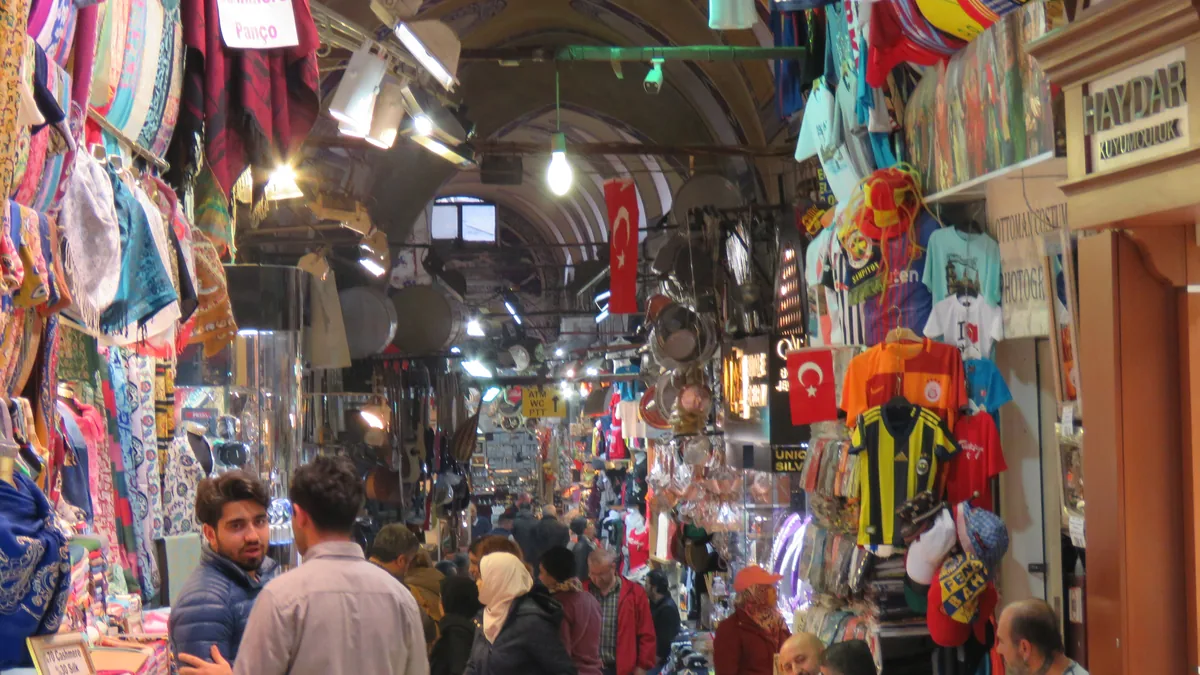
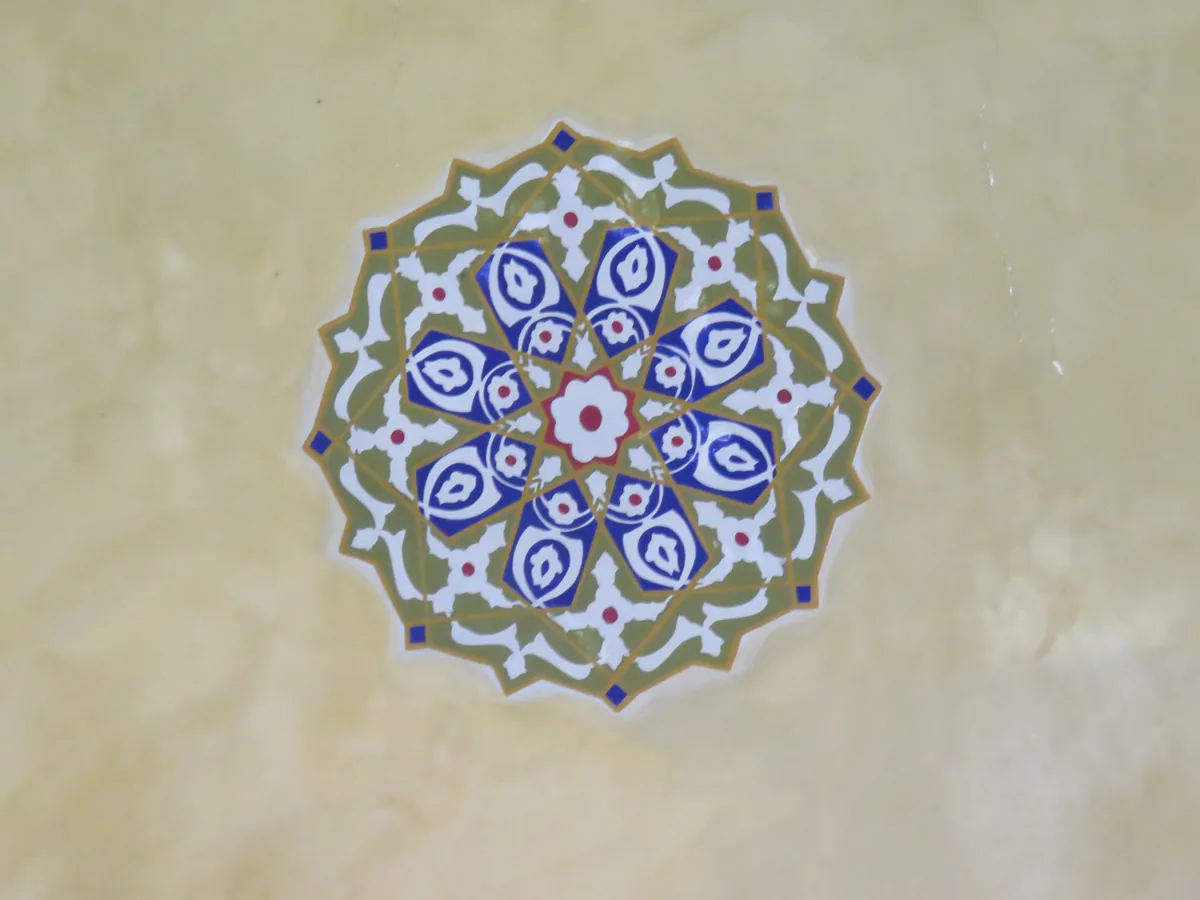
You can explore the covered core independently. A bedesten is a historic covered trading building at the heart of the bazaar; it helps explain how the market grew around an enclosed commercial centre. Look at the setting as well as the displays: covered lanes, shop fronts and ceiling details give you reasons to pause even when you are not shopping.
Keep the route simple:
- Choose your gate. Note the entrance name before going inside, especially if you will meet someone there afterwards.
- Follow a main covered street. Browse the displays without committing to the first conversation or purchase.
- Look around the historic core. Notice the trading buildings and covered streets, then choose a category to explore more closely.
- Pause before buying. Check your remaining time and compare an item’s specifications if something interests you.
- Choose your exit around the next stop. Return to your entrance or decide where you want to continue outside.
Continue towards Mahmutpaşa
If you want street shopping and a walk towards Eminönü afterwards, continue with From Mahmutpaşa to Eminönü, Han by Han. It gives the outside walk its own attention. You do not have to fit the covered bazaar, every han and the food bazaar into one hurried circuit. Choose the continuation around the time and energy you have left.
Grand Bazaar, Spice Bazaar or Mahmutpaşa?
These are different places with different shopping emphases. Choose the next stop by what you want to browse, rather than treating every Istanbul bazaar as interchangeable.
| If you want… | Choose… | What changes |
|---|---|---|
| Covered streets and a comparison of textiles, rugs, leather goods or jewellery | Grand Bazaar, Beyazıt | Browse the historic covered complex; allow time for a considered purchase |
| Spices, tea, dried fruit and food gifts | Spice Bazaar / Mısır Çarşısı, Eminönü | A separate food-focused bazaar with its own opening pattern |
| Clothing and home-textile street shopping, with a han walk towards Eminönü | Mahmutpaşa | Open-air streets and individual businesses rather than one covered complex |
The Grand Bazaar also has souvenirs and food-related goods, so this is a guide to emphasis, not a rule about what each place can sell. Mahmutpaşa works as an onward walk if you want to see the surrounding trading streets; the Spice Bazaar makes more sense if food gifts are your priority.
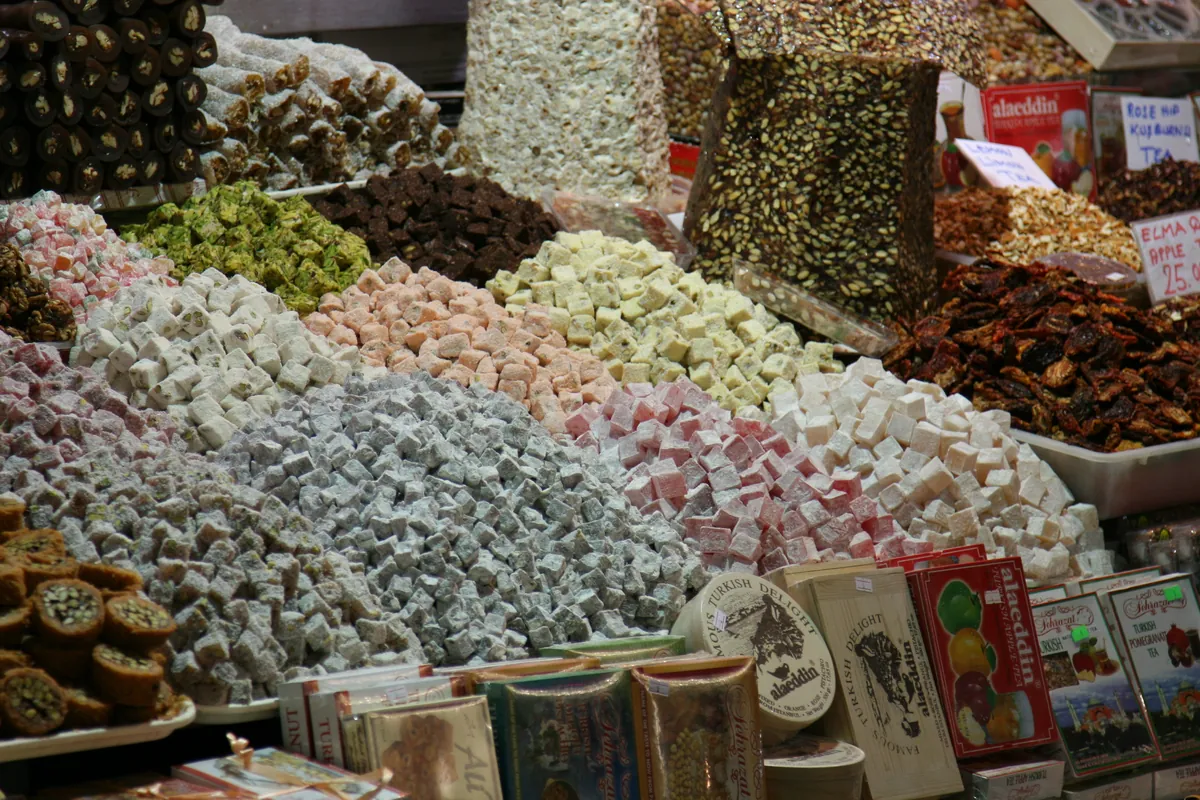
For lokum specifically, read Turkish delight in Istanbul before choosing a box. You can keep the shopping day focused: one covered-market visit, then the next stop that fits what you actually want to take home.
Buying carefully: payments, packing and access
Prices, card acceptance and sale terms vary by shop. Before paying, agree the payment currency and total, then ask for a receipt. If you are relying on a card, ask before spending time choosing an item. For a fragile or bulky purchase, settle packing and any delivery or return arrangements in writing. A friendly conversation does not replace clear sale terms.
If you need step-free access, an accessible toilet or a route suitable for your mobility needs, confirm the intended entrance and route with bazaar management before relying on them. We have not verified a gate-to-route accessibility audit, and this guide cannot promise that every entrance or lane will suit you. The same care applies if you are planning around a stroller.
For your visit, keep the plan easy to change. Browse first, buy when you understand the item and the terms, and leave space for a break or a shorter route.
Grand Bazaar FAQ
Is the Grand Bazaar open on Sundays?
The covered Grand Bazaar is normally closed on Sundays and religious holidays. This is the schedule published by Türkiye’s Ministry of Culture and Tourism. Nearby street shops and other bazaars have their own schedules; check the bazaar management’s notices before a holiday visit.
What are the Grand Bazaar opening hours?
Türkiye’s Ministry of Culture and Tourism lists 08:30–19:00, except Sundays and religious holidays. Individual shops may open later or close earlier. The listing was updated in June 2024 and checked for this guide on 6 October 2026; check management notices if your visit depends on a particular time.
Do you need a ticket to enter the Grand Bazaar?
Browsing the covered Grand Bazaar does not require a general admission ticket. Purchases and any separately booked guided experience cost extra. A shopping tour is a separate service, not an entrance ticket.
What should you buy at the Grand Bazaar?
Compare textiles, rugs and kilims, ceramics, leather goods and jewellery according to what you need. Ask about materials, origin, care and packing before deciding. A lower price alone does not establish quality, and a shop’s display does not prove that an item is handmade or locally made.
How much should you bargain at the Grand Bazaar?
There is no reliable discount percentage that applies to every shop or product. Compare similar items, ask whether the price is fixed, agree the currency and total, and make a polite offer only when you are interested. You can decline a purchase and leave without buying.
Is the Grand Bazaar the same as the Spice Bazaar?
No. The Grand Bazaar is the covered shopping complex in Beyazıt, with textiles, rugs, leather goods and jewellery among its trades. The Spice Bazaar, also called Mısır Çarşısı or the Egyptian Bazaar, is in Eminönü and focuses more on spices and food. Mahmutpaşa is the surrounding street-shopping area between these visits, with its own shops and opening patterns.
Editorial notes
DoInIstanbul is an independent Istanbul travel publication. This guide helps you plan a visit and compare shopping choices; individual sellers are responsible for their products and sale terms. Published information was checked on 6 October 2026. Opening notices, shop hours, stock and prices can change, so confirm anything your visit depends on before setting off or paying.
Read our editorial policy for how we approach recommendations. If you notice a correction, write to info@doinistanbul.com.